Sexy Art for Women.

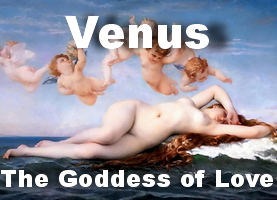
Venus The Goddess of Love 2.

Female Erotica and Feminine Beauty.

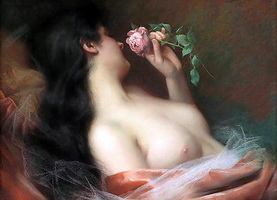
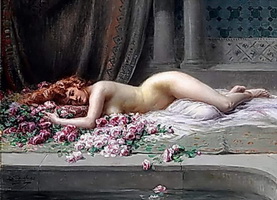
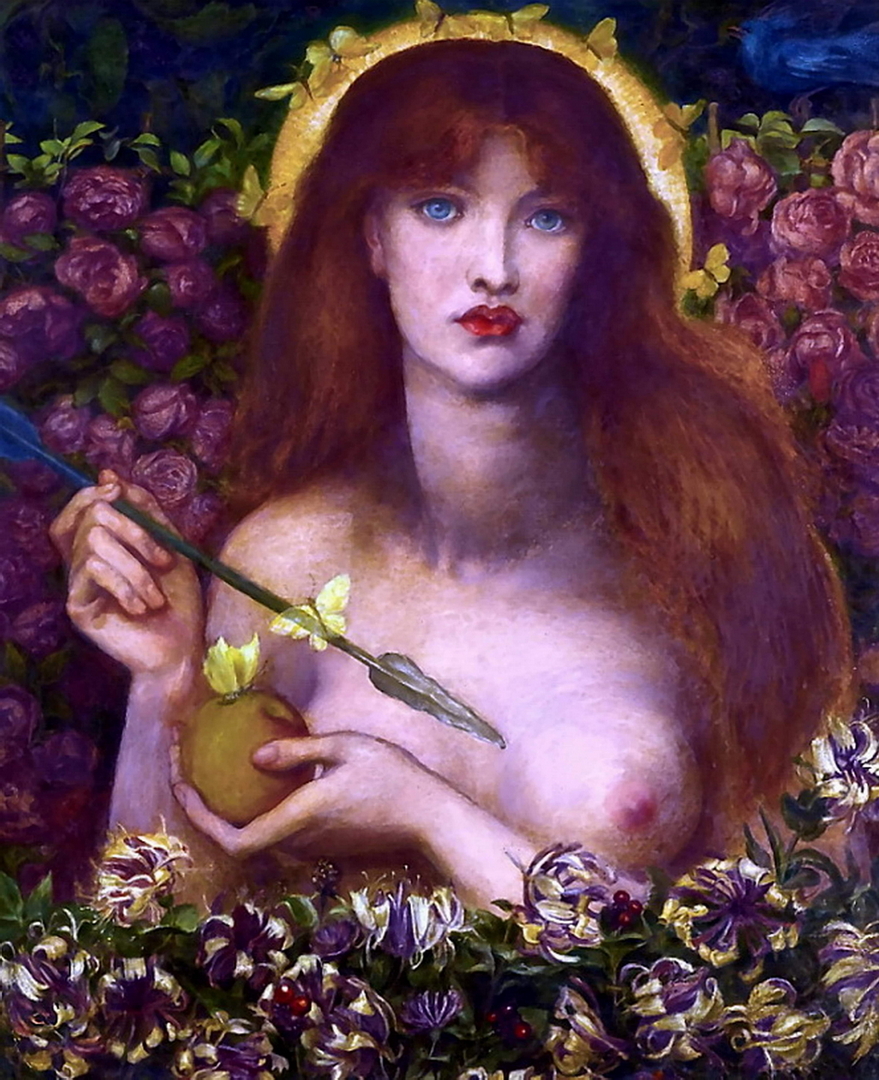
Venus has luscious lips and pretty eyes. The goddess of love with roses and flowers.


Venus Dante. Gabriel Rossetti.

The Goddess of Love is surrounded by pretty flowers. What beautiful eyes she has and look at those lovely lips!

To Page 1 for beautiful paintings of Venus the Goddess of Love.
To Page 3 for sensuous paintings Venus the Goddess of Love.
Lite Erotic Art 1 Find pretty paintings of lovely ladies and beautiful naked women.
Sensuous paintings of feminine beauty and lovely nude ladies with flowers and roses.
Paintings of very famous lesbians and their lovers.
Naughty nymphs lust for sexy. They are always horny. The Sirens are close relatives of them.


This post contains affiliate links, we may receive a commission if you make a purchase using these links.
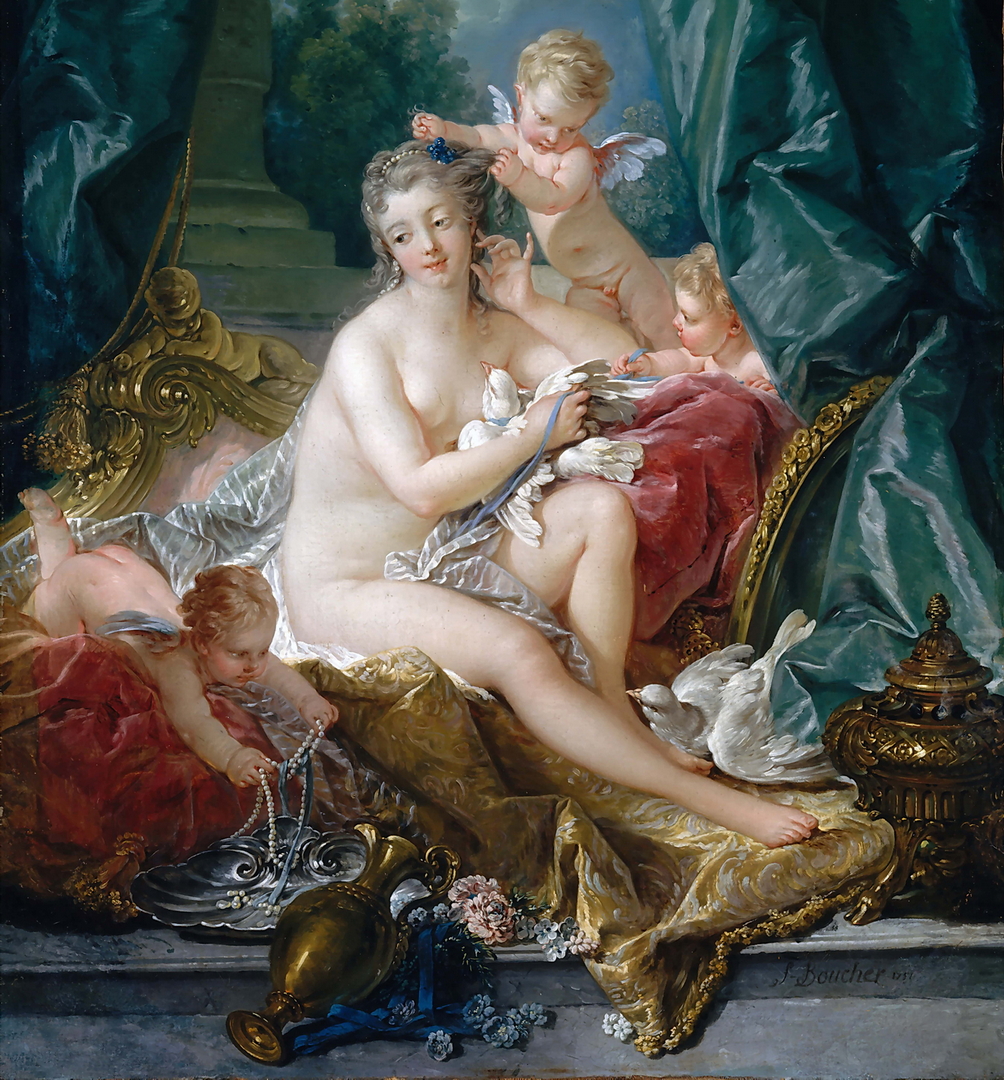
 

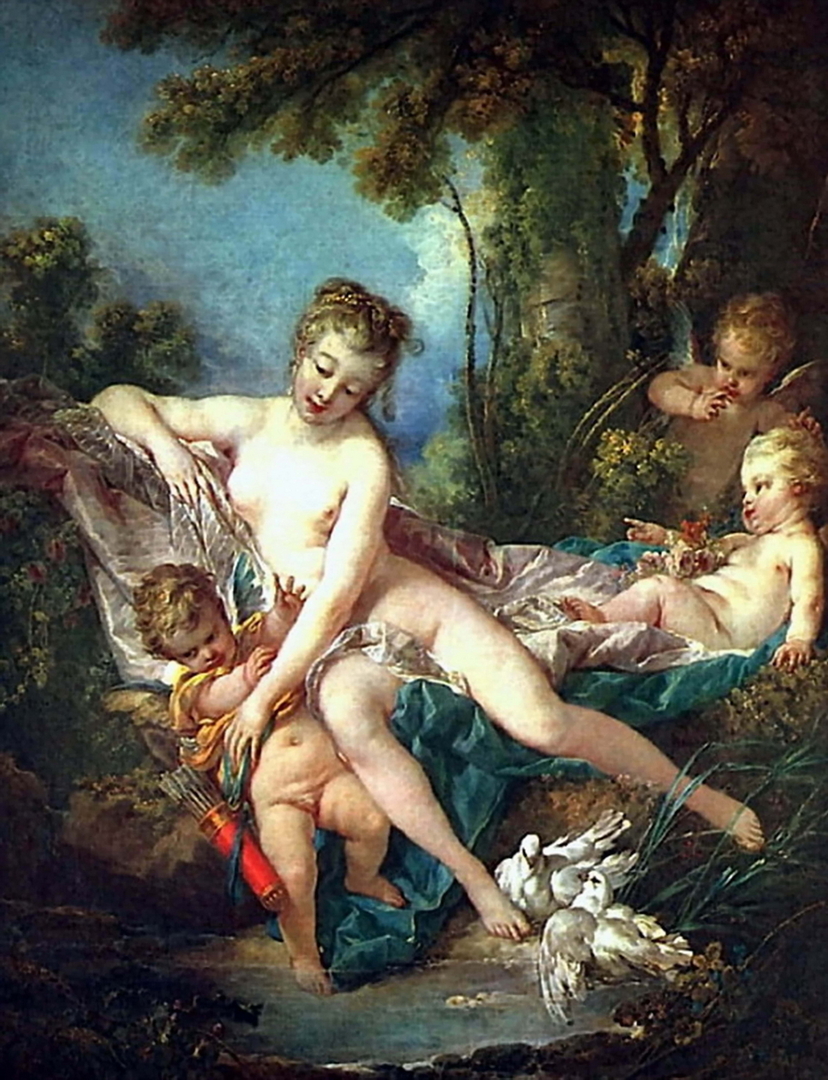
Venus with three Cupids two white doves and pretty flowers. The goddess of love.

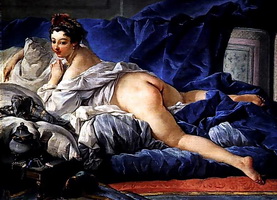
The Toilet of Venus. Francois Boucher.


The Goddess of Love with three Cupids and some pretty flowers and two white doves.

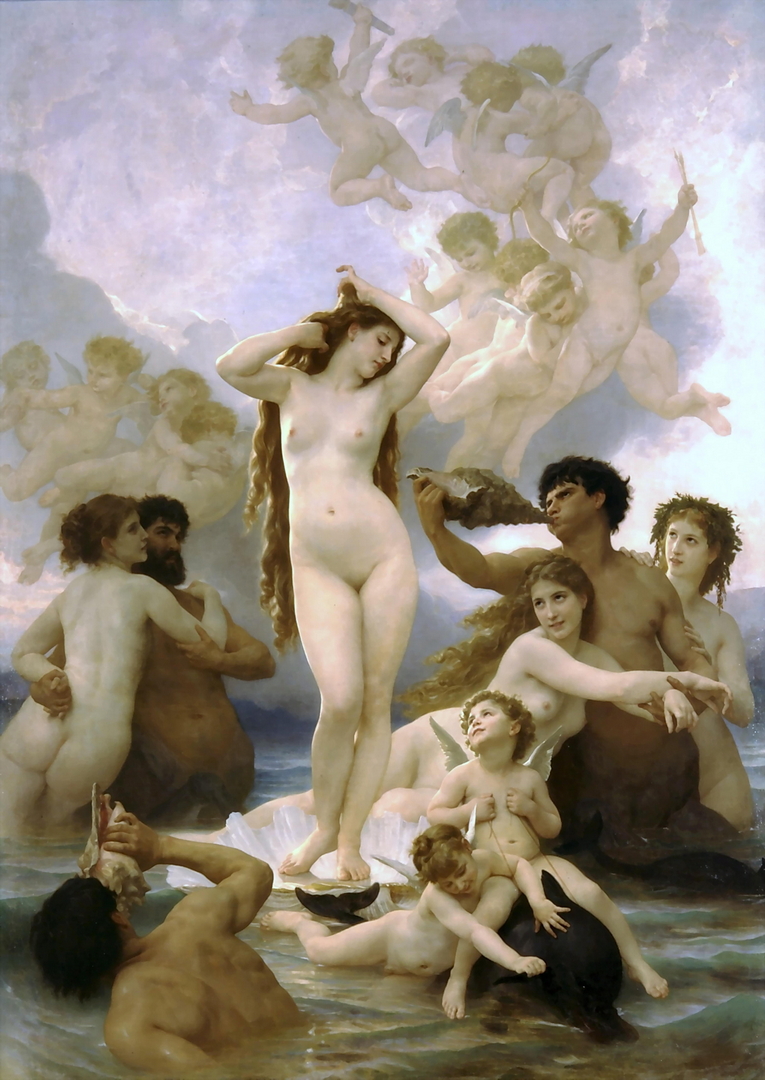
Venus with nymphs, satyrs, and cupids. A nude goddess of love with long hair down her back.

The Birth of Venus. William Adolphe Bouguereau.

It's party time for naughty Nymphs and Satyrs and Cupid will join in the fun too!


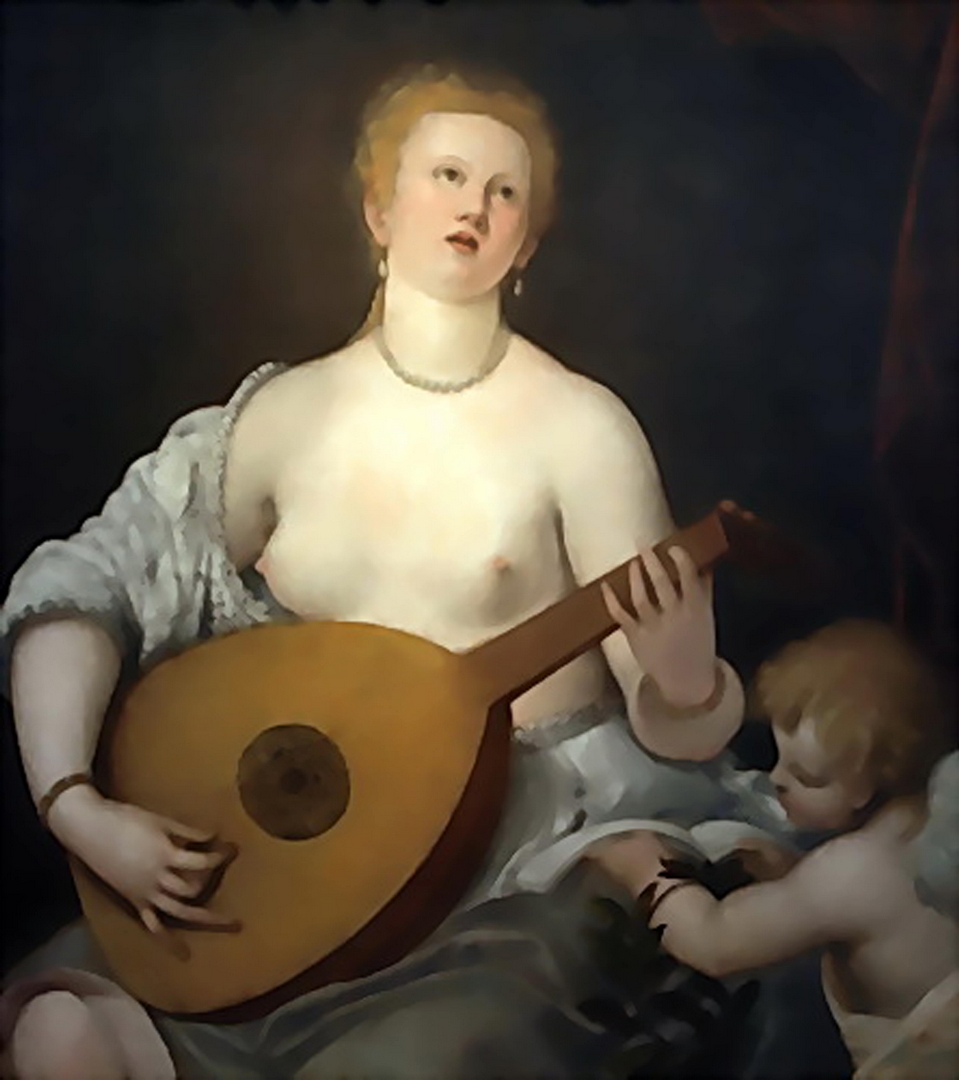
Venus is playing her lute and showing her breasts. A musical goddess of love.

The Lute Playing Venus with Cupid. Parrasio Micheli.

Venus is showing her sexy breasts and naughty nipples. This is a stick up! Hand over your lute!


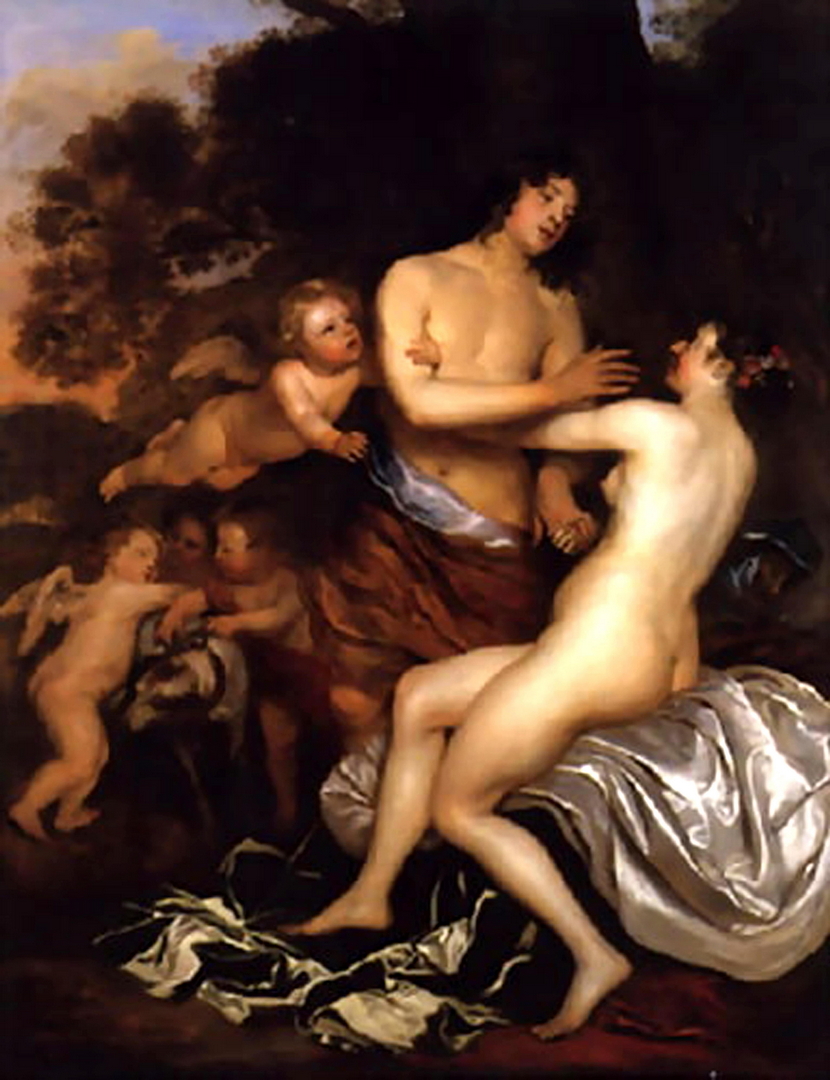
Venus and Adonis are about to have sexy fun. The passionate lovemaking of the gods.

Venus and Adonis. Jan Mytens.

Venus and Adonis are about to do the horizontal tango! With four cupids hanging around. The Goddess of Love and the horizontal tango. Very hot indeed!


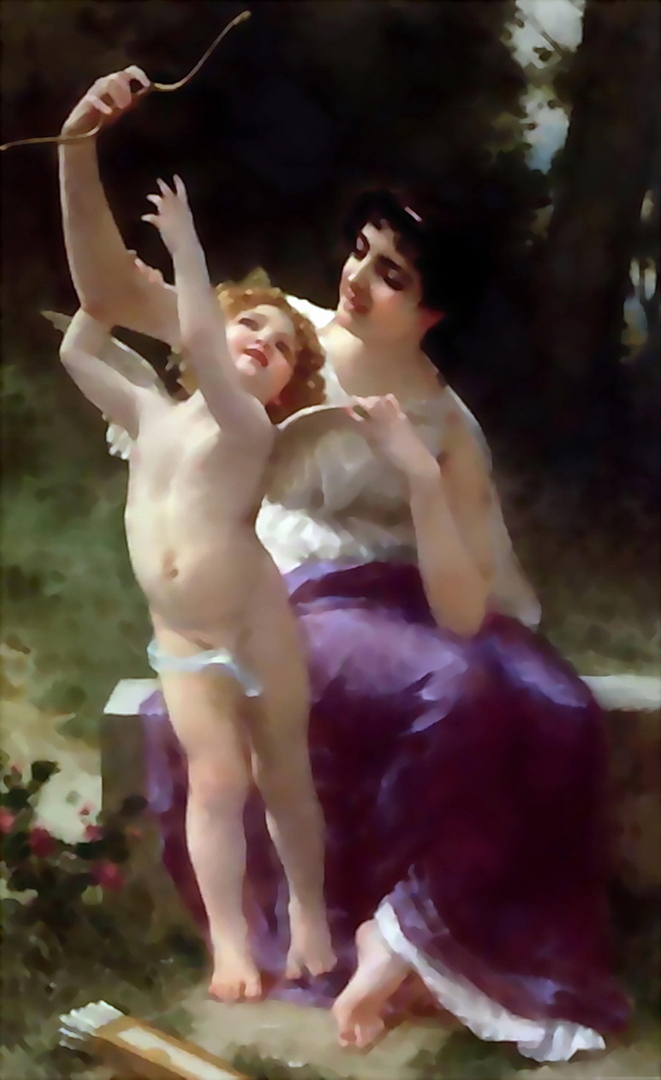
Venus is teasing cupid by playing with his bow. The love goddess is having fun!.

Venus and Cupid. Guillaume Seignac.

Someone is playing around with Cupid! What a teaser! That would be the Goddess of Love and the little Love God having fun!


Satisfy your sexual desires with adult toys for horny pleasure. Be a love goddess.


Spice up your love life here. Satisfy your sexual needs and lust for erotic pleasure. Horny girls need sex toys! Boost your orgasm with a vibrator, dildo or dong! Feed your love canal with what it needs for your sexual desires, an adult toy. The after first time you have a one night stand you will have the guilts the next day. The next time will be less guilt and so on till you become a great lover!


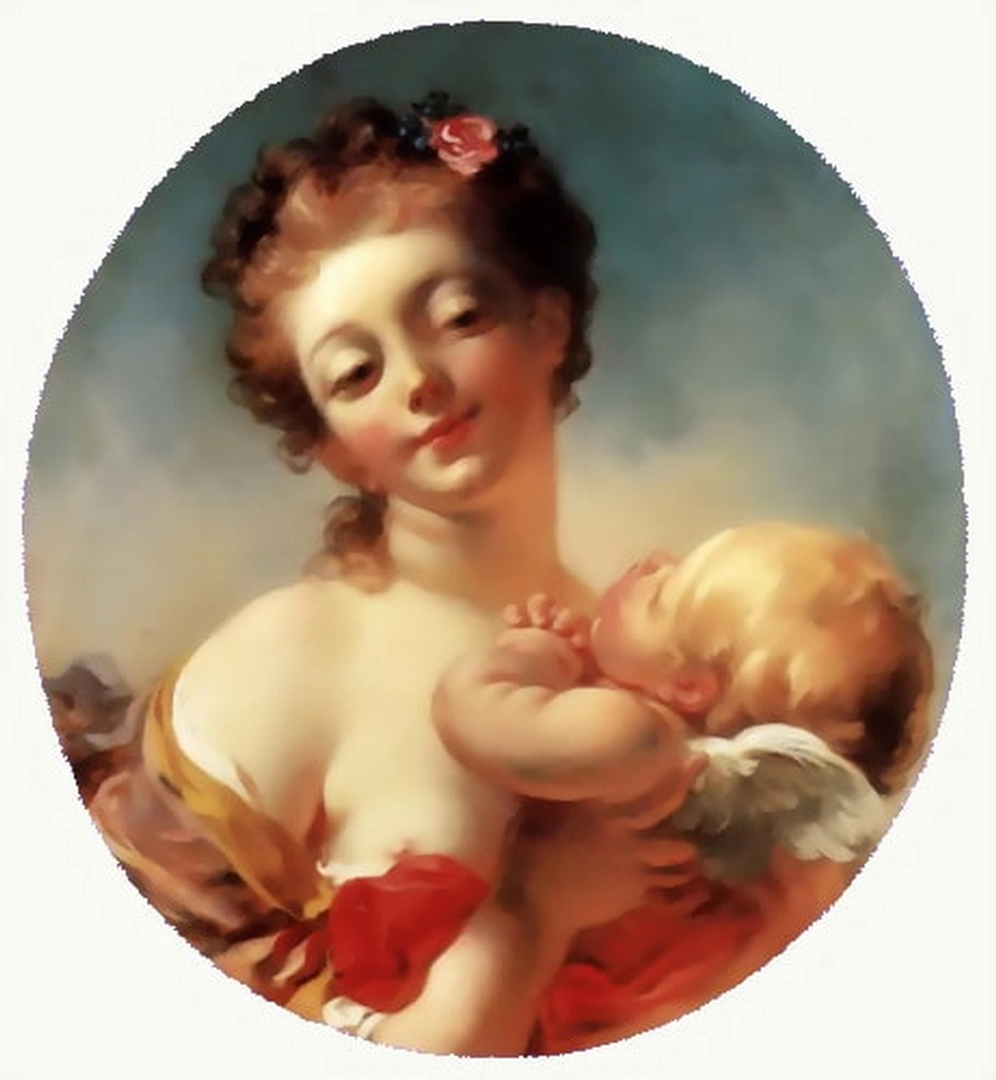
Venus has a red flower in her hair and is holding cupid who is looking at it.

Venus and Cupid. Jean Honore Fragonard.
Venus the Goddess of Love with a naughty nipple and a flower in her hair which Cupid is admiring.

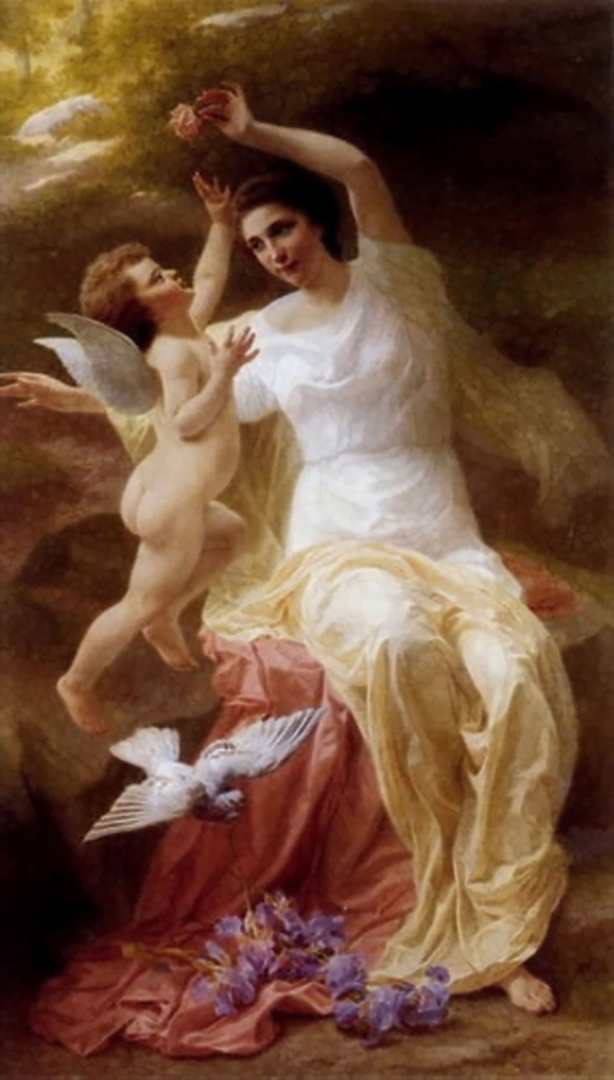
Venus is playing with a pink rose with cupid and has pretty flowers at her feet.

Venus and Cupid. Theophile Blanchard.

Venus the Goddess of Love is playing games with Cupid and Venus has mauve flowers at her feet.

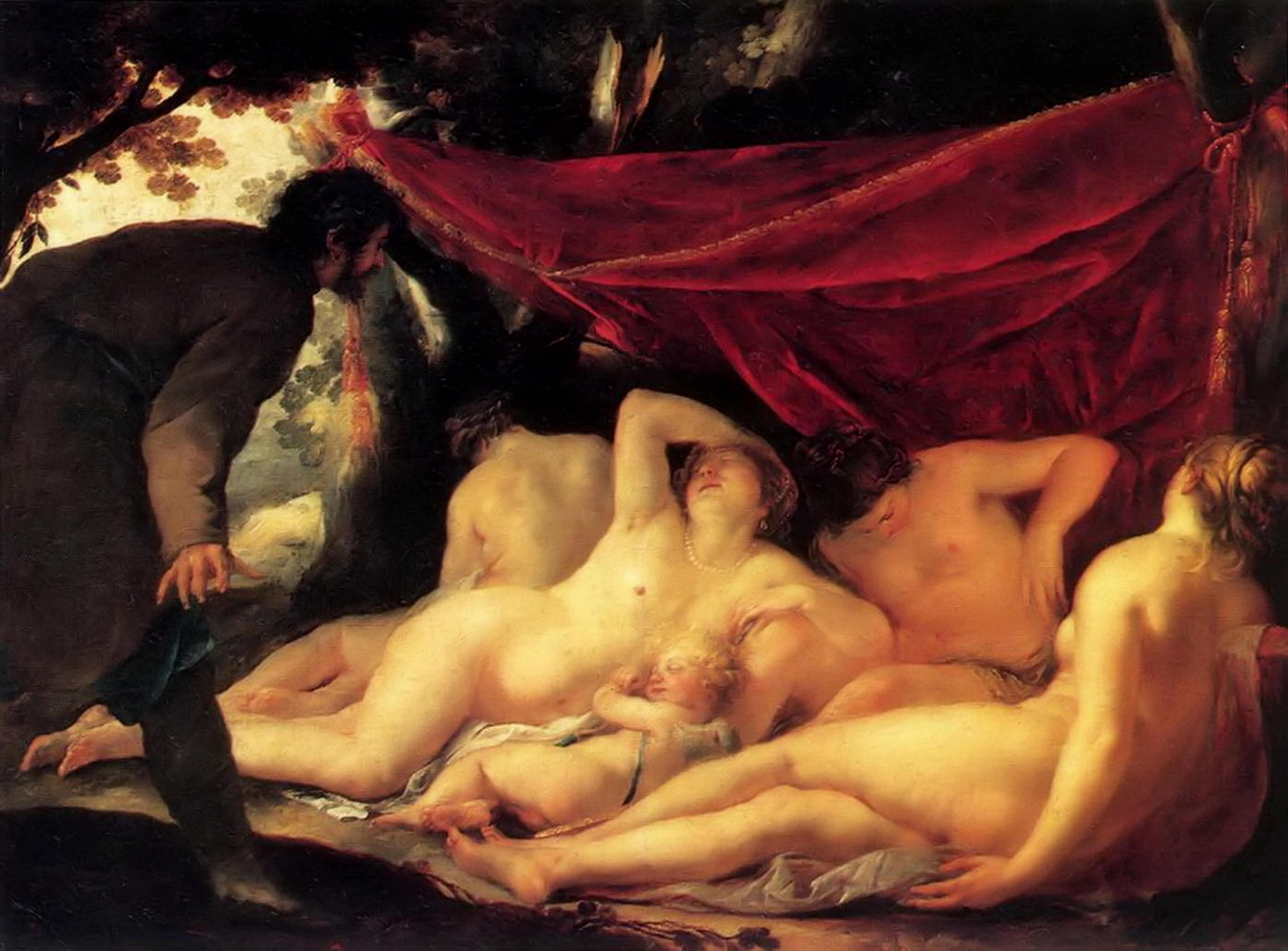
A mortal catches Venus and the Three Graces sleeping. The goddess of love and cupid too.

Venus and the Three Graces Surprised by a Mortal. Jacques Blanchard.

Four lovely ladies caught in the nude by a man! Surprise! Apparently, Cupid is having a snooze. Some ladies had been having fun with each other and nearly got caught in the act!


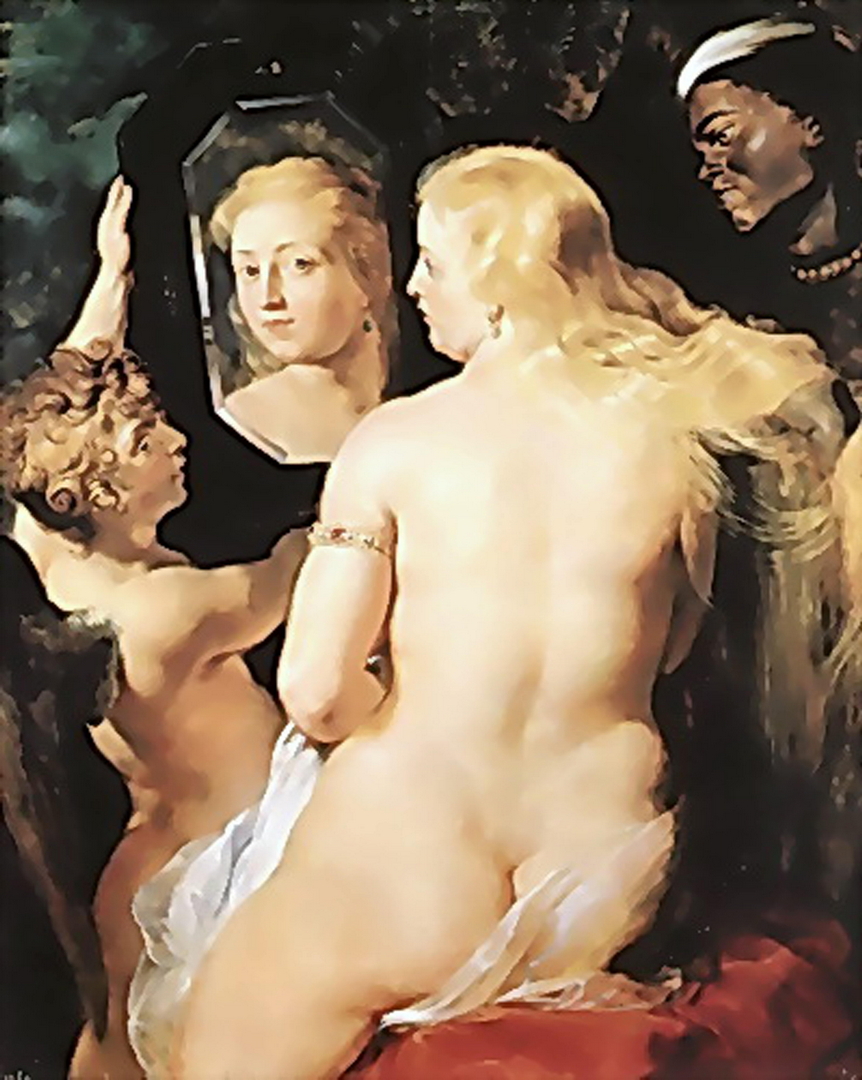
Venus looking at herself in a mirror while cupid holds it, she has beautiful blonde hair.

Venus at a Mirror. Peter Paul Rubens.

The Goddess of Love checking herself out as Goddesses do, while Cupid holds the mirror. A naked Venus with long blond hair flowing down to her bottom.


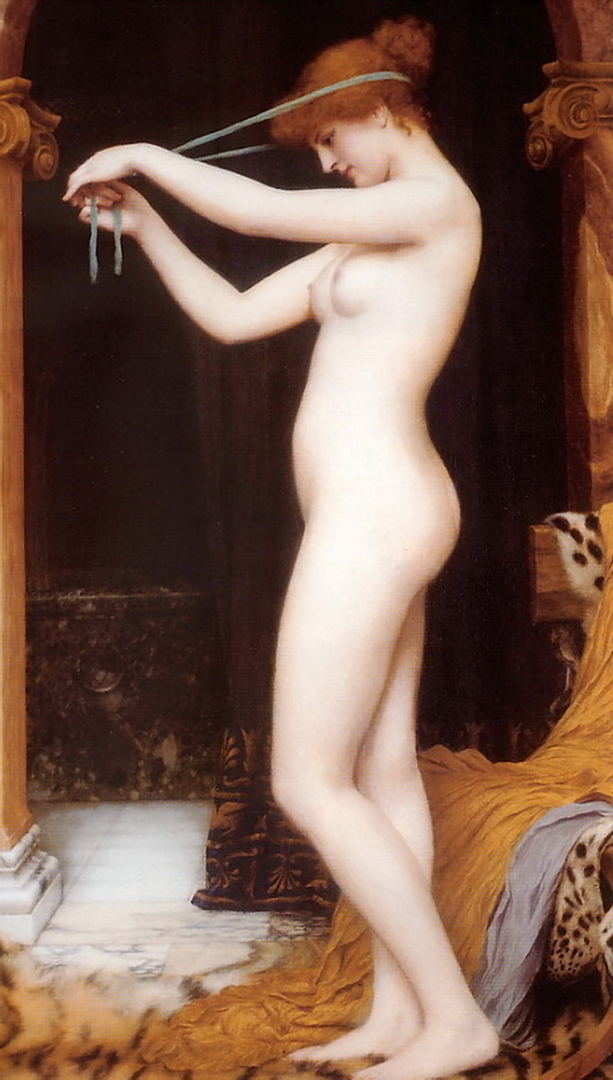
Venus is tying up her hair. A nude Goddess of Love with red hair and a sexy body.

Venus Binding Her Hair. John William Godward.

The Goddess of Love is tying her hair as Goddess do. A Goddesses work is never done! She is getting ready for a fun night out!

Venus making Love feel better as he looks a bit unhappy.

Venus Consoling Love. Francois Boucher.

Venus is looking after Cupid who must have missed a shot with his arrow. Two other Cupids are look on.


Lure you lover with perfume

J.Lo Perfume.


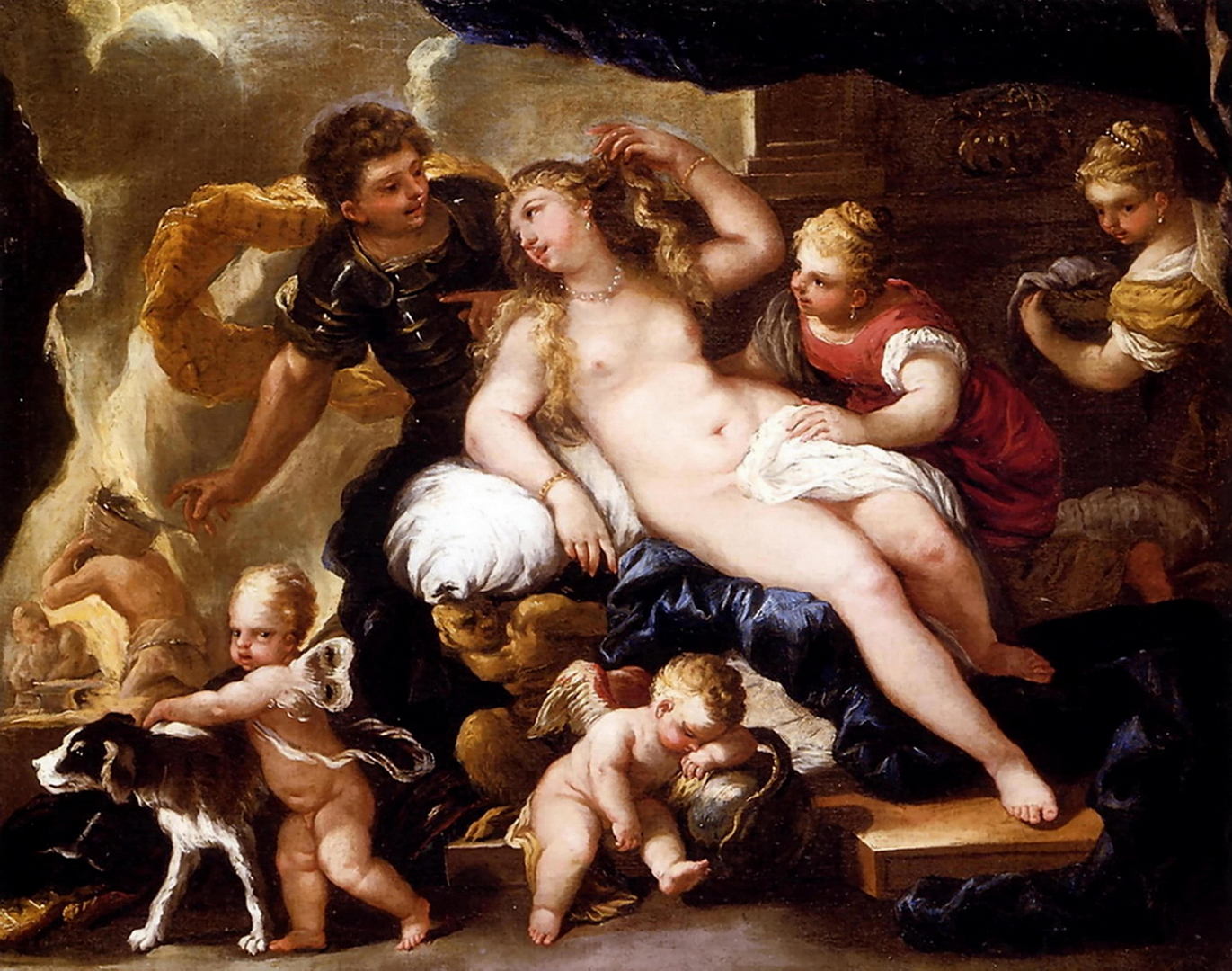
Venus and Mars have been making love. A nude Venus with golden hair and two cupids.

Venus and Mars. Luca Giordano.

They've been up to their old tricks again!


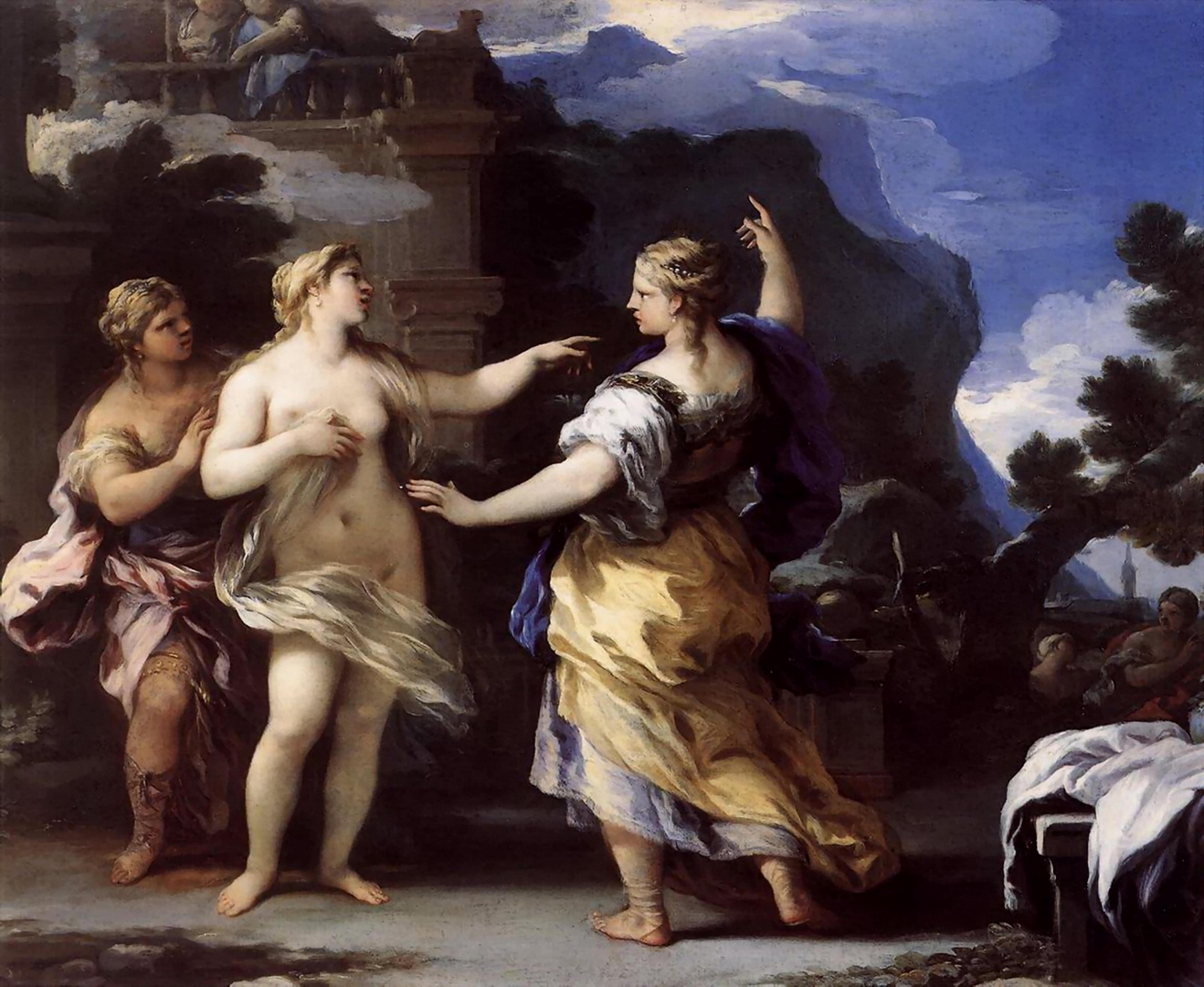
A naked Venus is giving Psyche a chore as she has been a naughty girl.

Venus Punishing Psyche With a Task. Luca Giordano.

Somebody has been a naughty girl!

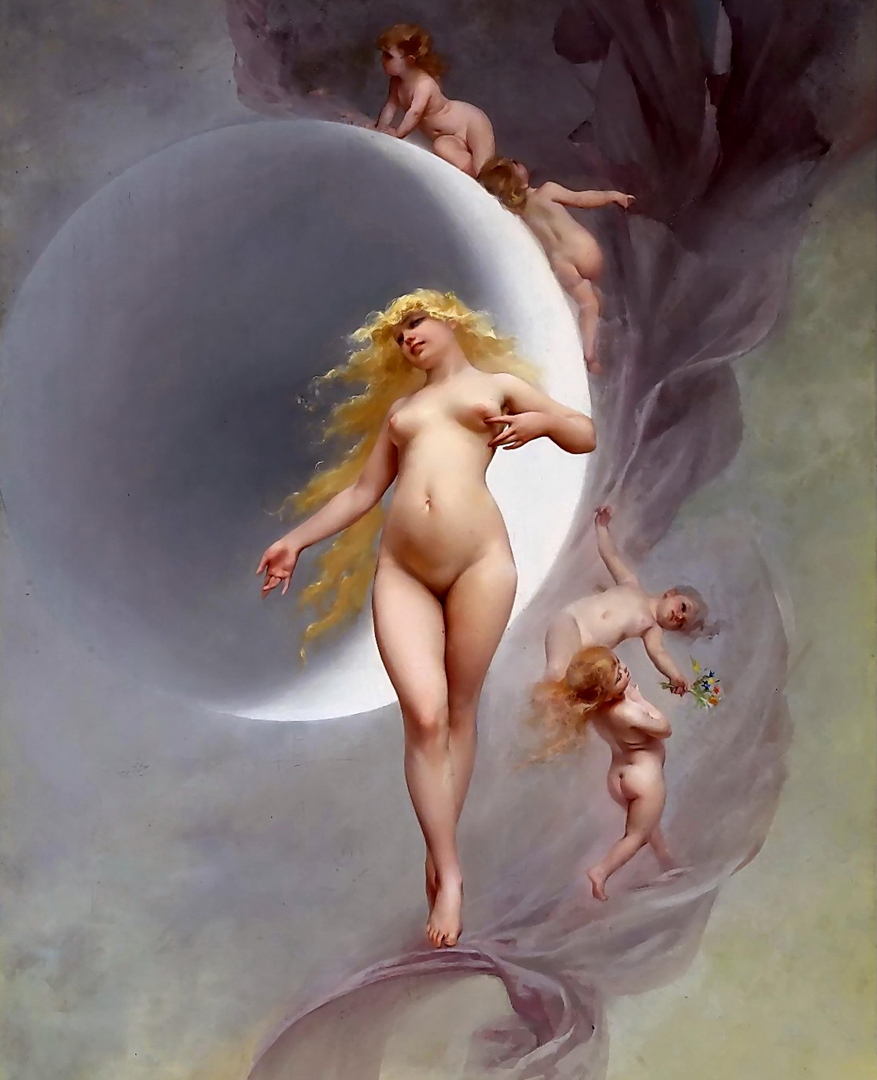
A naked Venus and the Planet with long blonde hair touching her breast and four Cupids.

Venus The Planet. Luis Ricardo Falero.

The Goddess of Love and four Cupids.

Sexy Lingerie for hot girls to bring out the Love Goddess in you for a steamy romance.

Sexy lingerie for hot girls and horny women as well as Love Goddesses like you!
Sexy Art for Women 1 Find pretty paintings of lovely ladies and beautiful naked women 2.
Sensuous paintings of feminine beauty and lovely nude ladies with flowers and roses 2.
Paintings of very famous lesbians and their lovers 2. Gay ladies and famous females
The naughty nymph’s, sirens, fairies (related) all lust for sex. They are always hot and horny. They are very wicked girls and have sex with males, females, and Satyrs. Even all three at once!.
 
Harems are the home to Odalisques who provide sexual favours to Sultans.
Odelisques are the girls who provide sexual favours to the Sultans.
Venus the Goddess of Love. Lust,desire and sexual pleasure are what Venus gives to you.
Sexy Art for Women Page 2 Paintings of nude girls and foxy females Lusty ladies showing off their naked bodies in the name of art.
     
Sexy Art for Women 03 Nude paintings can help to improve a woman's sexuality and love.
Sexy Art for Women 04 Naked paintings of sexy women can help girls with better lovemaking.
Sexy Art for Women 5 Discover naked paintings of foxy females and lusty ladies in portraits.
Sexy Art for Women 6 Find nude portraits of sensuous women and flirty females having sexy fun.
     
Sexy Art for Women 7 Find vintage portraits of cute girls showing their sexy breasts.
Sexy Art for Women 8 Beautiful paintings of sexy nude girls and lovely females.
Sexy Art for Women 9 Elegant portraits of sensuous women and seductive females.
Sexy Art for Women 10 Pretty paintings of luscious ladies and dainty females.
To Page 1 for sensuous paintings Venus the Goddess of Love.
To Page 3 for beautiful paintings of Venus the Goddess of Love.


THE WISE VERDICT OF THE VENETIAN MORALS TRIBUNAL.


Francesco di San Polo, the son of a Venetian nobleman, was sent to sea on the Republic’s galleys at an early age and grew up among the Turks and the turbaned peoples of the East, whose morals are corrupt. Upon returning to his homeland as a grown man, he displayed a marked disdain for both patrician maidens and courtesans alike. Regarding the former, the scandal was minimal, given that most of these young ladies were awkward and stiff, and that a twenty--year--old Francesco might well be averse to marriage. As for the ladies of pleasure--plump, numerous, and renowned, skillfully dyed and expensively painted, as adept at conversation as at the arts of sensuality--was it not surprising that they failed to ensnare this young man in the fine mesh of their charms?

Moreover, Francesco would take young men into his gondola at nightfall, and their excursions were long and mysterious.

Certain ladies, stirred by his natural beauty yet piqued by his coldness, accused him of having engaged in dishonorable practices while among the Turks. Yet several youths from the finest Venetian families let it be known that, at any rate, he bore no mark of such things. Tongues began to wag, and a great stir arose in Venice around young Francesco di San Polo--who, for his part, was greatly astonished to find himself the object of such interest, seeing as no one had particularly noticed him during his travels in the Levant.

He cut a most entertaining figure when brought before the tribunal charged with prosecuting sodomites--a body that convened every Friday, in accordance with a law dated March 22, 1458.


Far from denying the specific charge he was called upon to answer, the worthy Francesco recounted its various phases to the court with touching relish. In his view, no custom possessed greater beauty than the one for which he was being arraigned; he demonstrated this through both history and aesthetic theory. He spoke at length, growing animated and embellishing his spirited defense with verses in Latin and even Greek. He concluded his address by expressing regret that the Republic--so advanced among nations in matters of institutions and moral excellence--persisted in remaining ignorant of these particular practices. Indeed, such was the sincerity of the young man's conviction that he fully expected--even before being offered a drink as a reward for his eloquence--to see the diversions of Sodom strongly and solemnly recommended to the citizens of Venice.

Matters turned out otherwise, and our Francesco was duly convicted. Yet, one finds proof of his judges' magnanimous wisdom and the fortunate flexibility of Venetian legal procedure in the special measure they took the trouble to add--for the culprit's benefit--to the *cheba* punishment that was his due.

The *cheba* punishment consisted of being locked in a wooden cage hoisted halfway up the bell tower of Saint Mark’s--suspended on the outside--where the prisoner had to endure the rigors of the season and the jeers of passersby.

Here are the terms of the amendment added for Francesco’s benefit:

"The said Francesco shall receive, each evening after curfew--to avoid public scandal--and within his cage, a visit from one of our most notable courtesans; the following day, a visit from another; and so on, until his sentence has been served.

"This is done for the greater glory of God and with the aim of leading the guilty man back to the path that He (the Lord) traced with His own hand and revealed to our first father for our own good and that of our children, grandchildren, and great--grandchildren."

One fine morning, the wooden cage containing our unfortunate Francesco di San Polo was seen dangling from a rope; he looked thoroughly discomfited, sheepish, and wretched, railing against the heavens at the great injustice being done to him. Naturally, the people of Venice turned out in force around the Campanile of St. Mark and across the entire square--the hub of business and the only place in the city where one could stroll without getting one's feet wet. It is said that not a single lady or damsel failed to appear that day, whether carried in a sedan chair or perched atop the high platform shoes then in vogue. To this crowd, of course, one must add the women of easy virtue--numbering no fewer than eleven thousand, according to the best records--who had a vested interest in seeing the gentleman’s face, since each of them was expected to take her turn trying to coax a smile from him.

Suspended halfway up the bell tower, Francesco could not respond to the thousand jeers and insults of every sort rising from the assembled throng. Yet, nothing fosters indulgence quite like looking down upon men and women from a height; and it is likely that this held as true then as it does today. History does not record the nature of his reflections, noting only that as the sun began to set--and while a multitude of idlers were still gazing up at the condemned man--he finally relieved himself of a need he had been holding back since dawn; he did so freely, fully, and indiscriminately upon all classes of society, who seized on this incongruous downpour as a pretext to disperse and go off to supper. So that, by curfew time, there remained in St. Mark’s Square hardly anyone but those who owned a house or a window there, and who were counting on the rising moon to see what would become of the sodomite prisoner and the female companion allotted to him by a duly rendered judgment.

As ill luck would have it, the moon that night was as completely obscured as a candle upon which some Venetian matron had inadvertently sat.

By the next day, the matter was forgotten--such is the fickleness of the public mood.

The courtesans carried out, with punctuality and discretion, the daily task assigned to them by the Justice system. Months went by without anyone so much as noticing that cage, jutting from the side of the Saint Mark’s bell tower like a wart or a natural hump upon which doves would alight each day.

However, after six months, Francesco di San Polo was found dead by the one hundred and eighty--third courtesan hoisted to that spot at the hour of curfew.

This outcome caused great astonishment, and an inquiry was opened before the Council that had tried Francesco. The one hundred and eighty--three courtesans appeared and gave their testimony one by one, in the order in which they had taken part in the administration of justice.

"What sort of man, in your opinion, was this Francesco di San Polo?" they were asked.

To the first five or six, he was a sorry specimen--devoid of taste, appetite, or manners; in short, lacking any redeeming quality.

From the seventh to the twelfth, he was deemed hesitant and clumsy, excessively awkward in his manner.

This impression was confirmed by the thirteenth courtesan--though she had not found him displeasing, regarding him instead as an original figure with inclinations contrary to the norm.

Much note was taken of the fifteenth woman’s opinion, which held that Francesco was, in fact, an ordinary man.

"Ordinary" was hardly the word to use for this young man, argued the next five women; he was an excellent lover--skilled and vigorous--with whom time seemed to fly.

Of the hundred who testified thereafter, not one contradicted this favorable view, save for the thirty--four who claimed to be carrying his child. Moreover, all had heard him, in the throes of ecstasy, bless his judges and commend them to God--naming each one individually with great fervor and gratitude.

The Council wept upon hearing these words, deeply moved by a sudden, retrospective wave of leniency toward the former sodomite--a man who had converted and then died from the overindulgence in love’s rightful pleasures.

"And you, ladies?" the assembly asked--moved, and speaking as one--addressing the remaining sixty--three courtesans.

They were shaken by a collective sob; by way of reply, they displayed the visible marks of the scuffles they had waged against one another before entering the cage--driven by their eagerness and the prisoner’s renown for amorous prowess.


TABUBU.


One day, while strolling along the banks of the Nile, a worthy man named Setna caught sight of a woman who appeared very beautiful to him, though he could not see her face. Her garments were adorned with much gold, and she was followed by fifty--two young women of pleasing appearance.

Setna was instantly captivated. He beckoned to his young servant and ordered him to find out immediately who the woman was.

The young servant promptly approached the maid walking behind the beautiful woman and asked for her mistress's name.

"Tabubu," said the maid. She smiled at the thought of someone still needing to ask about Tabubu--a woman known to every man.

The young servant reported what he had learned to Setna.

"Go back to that girl and tell her to inform her mistress that my name is Setna, and that I will give ten pieces of silver to spend an hour with her."

The boy brought back the reply:

"Tabubu sends word to Setna that he is mistaken if he takes her for a common woman, for she is a virtuous one."

"Very well!" said Setna, his face flushing like the sky at sunset. "Go back again and tell Tabubu that I am capable of using force."

The young servant parleyed once more and returned:

"Tabubu replies that, in that case, he need only come to see her at her home--a fine house behind the Temple of Bast--where Setna may do with her whatever he pleases, in exchange for ten pieces of silver."

That very evening, Setna went behind the temple of Bast; spotting a fine house, he asked who lived there. At first, he was taken for a drunkard, but when he persisted, someone told him, with a knowing air:

"It is Tabubu."

"Very well," said Setna, "that is the house I am looking for."

Tabubu was informed. She came down, modestly veiled yet adorned with rich finery, and Setna congratulated himself on having come to her home. She took him by the hand and led him into the garden, where he saw fifty--two young women occupied with singing, playing, or striking poses designed to delight the eye. The lawns were brilliantly illuminated, and the water in the pools, acting as a mirror, multiplied the lights.

"You see," said Tabubu, "that nothing is lacking in my house."

Setna, feeling a fire burning within him, said:

"Let us go inside."

Tabubu led him up the steps, and they entered a hall open on one side to the outdoors, offering a view of the merry maidens at play. The room was adorned with lapis lazuli and genuine turquoise. Arranged around the space were numerous couches draped in fine linen. Many gold cups stood upon a sideboard, each filled with wine. A variety of dishes and fruits were brought in.

"Pray, eat and drink," said Tabubu.

"That is not what I seek," said Setna.

Tabubu said to him:

"I am a respectable woman; I am not a common sort. If you insist on having your way with me, you must sign over all your possessions to me by contract."

"Why do you not remove the veil covering your face?" asked Setna.

"I have just given you the reason. You are mistaken if you think I am the woman you imagine."

"Here are fifty--two young women without veils, yet it is not them you desire. So let that matter rest. Besides, is my figure not perfectly formed in every other respect?"

"Yes, indeed," said Setna. "I see that you are perfect; let us get on with it--let us go inside."

Tabubu summoned a scribe and had Setna draw up a contract transferring all his property to her.

Once Setna had signed, he said:

"Let us go inside."

"Come," said Tabubu.

But just as they were about to enter the room, word was brought to Setna:

"Your children are downstairs; they followed you and want you to come down at once!"

"They have come at a most inconvenient time," said Setna, "but I cannot go down; have them brought up here."

Tabubu put on a linen garment while the children were being brought up. Setna could see the contours of her body through the fabric, and his desire grew even stronger.

"Let us get on with it," he said. "Let us go inside."

"There are your children," said Tabubu; "if you are set on having your way with me, ask them to sign below the contract you drew up in my favor, so that they do not contest the gift of your estate."

The children returned and signed what was asked of them. Afterward, Setna said:

"Let us finish this; let us go inside!"

"I am a virtuous woman," said Tabubu; "I am no common creature. If you are absolutely determined to have your way with me, have your children killed so that they do not quarrel with mine one day."

"At the very least," said Setna, "I would like you to remove your veil, so I may know for what beauty I am about to commit this wicked deed."

Tabubu burst into a peal of laughter. She paced back and forth against the light, along the wall where the lamps were set, so that the shape of her body was visible through her linen garment. Only her face remained unseen.

Setna turned to his children to ask if they understood how one might commit the greatest follies for such a woman. But he saw those among them who were growing into men rushing toward Tabubu, showing signs of desire at least equal to his own; he realized they would kill their father just to spend an hour with her. So he said:

"Have them killed!"

Tabubu had them slaughtered on the spot and their bodies thrown down the steps to the dogs and cats, which devoured their flesh. Setna heard their bones being gnawed as he drank with Tabubu.

"I have done everything you asked of me," he said; "let us finish this; let us go inside."

"Enter this room."
He entered the room, lay down on a bed of ivory and ebony, and reached out his hand toward Tabubu.

"Here I am," she said, uncovering herself. Then he saw that she had the unpleasant face of an aging procuress and that her mouth was a foul, gaping pit.

Yet he showed no displeasure; he rose calmly and made his way out, retracing the path by which he had come.

Word of his adventure spread; he was mocked in the gardens where young women coupled with men of various nations, and shamed for having lost his children and his wealth for the sake of a hideous creature.

He walked away, reflecting that those people would leave that house of love without ever knowing what love truly was--whereas he had tasted its most intense delights through the terrifying throes of desire.


CANDIDE’S JOURNEY WITH PANGLOSS TO THE REAL ELDORADO.


Candide had resolved to cultivate his garden less than a fortnight ago when he grew weary of eating candied citrons and pistachios--and perhaps, too, of looking at Cunégonde’s ugly face. He expressed to Pangloss his doubt as to whether he had truly reached Eldorado. "What!" said Pangloss. "Did you not take fifty sheep laden with gold, precious stones, and diamonds?" "You misunderstand me," replied Candide; "I wonder if I might not have found elsewhere--a sequin, for instance--worth ten times the load of my fifty sheep and small enough to fit in my waistcoat pocket; thereby I would have avoided the heavy losses I suffered in the swamps, in the deserts, and at the hands of a Dutch merchant." "In that case," opined Pangloss, "we must go to the real Eldorado." And so they went.

They had barely set foot in the country when people began to weep at the sight of them, for they looked haggard from their long journey. "That shows a kindly nature!" exclaimed Pangloss, stepping forward with outstretched hand toward the inhabitants of Eldorado. "Look," he said, turning to Candide with a hand wet from their tears, "these people wear their hearts on their sleeves." "But," said Candide, "we are starving, and they haven't given us anything..." "Nevertheless, I like the country," said Pangloss, "for I never saw anyone show such compassion when fortune turned against me--which happened more than once."

Just as they were beginning to philosophize, newspapers were placed in their hands. They were astonished at how cheap thought was in Eldorado. "Aha!" said Candide. "This must be the sustenance of this marvelous land, and we haven't thanked the charitable person who gave it to us..." They ran to offer their thanks; but, having disturbed a ragged fellow who was extracting a magnificent chronometer from a gentleman's pocket, they received a violent kick. "I would enjoy," said Candide, "seeing that wretch hanged." "What do you mean?" asked the gentleman. "And why do you treat this poor man so--a man who is quietly going on his way, having finished his work?" "But, sir," said Candide, "your chronometer!..." "Hush!" Pangloss hastily whispered--for he had a philosophical mind and had already read part of the paper. "You must learn the customs of this country, my dear Candide, before getting so worked up." Candide’s eyes went wide as he scanned the gazette, while the crowd wept with emotion, parting to make way for the ragged man sporting the chronometer--moved by the great misery he must have endured. A few lieutenants of the constabulary wiped their eyes with the backs of their hands.

Candide had devoured more than three--quarters of the gazette, yet his hunger remained just as stubborn. Pangloss, on the other hand, gave it no thought at all; clutching the gazette in one hand and brandishing it like a flag, he clasped Candide to his bosom and embraced him repeatedly and convulsively. Candide was wiping his face--still reeling from this display--when he saw Pangloss embracing everyone else as well; they were all getting soaked, for tears flowed endlessly in Eldorado. People were engrossed in discussing the misfortune of a little dog crushed by someone who had the audacity to drive his carriage down the middle of the road where the animal happened to be; or perhaps a donkey beaten in the provinces, or a murderer sentenced by some backward court. Such outrages had to end. And, as it happened, women had just been assigned to assist everyone holding any measure of public authority. From now on, there would be a woman beside every magistrate, every company captain, every official responsible for public order, and even within the King’s council--all to prevent violence, lend a sympathetic ear to shameful acts, and suppress any displays of virility. "Well, well," thought Candide, "I am a far cry here from the Bulgarians, among whom I ran the gauntlet thirty--six times--and who were fine, strapping fellows nonetheless. What a great nation this must be, seeing as everything goes so much better here by running in the exact opposite direction! And yet, I once supped with six monarchs, whereas here I haven't a single nut to put between my teeth."

He was about to call out to Pangloss but spotted him among a crowd of people who were, at that moment, busily relieving a militia regiment of its cumbersome arms and baggage; having taken the load upon themselves, they were marching in step alongside the poor foot soldiers, all the while addressing them. "We let our most eloquent citizens," someone said to Candide, "approach these soldiers to remind them every morning that it is far more pleasant to go for a stroll with a cane in hand than to go on maneuvers with a musket on one's shoulder." "But," said Candide, "why not simply abolish this poor militia?" "True enough, sir; yet, for all that, we have grown fond of it and are moved whenever it marches by; it is very dear to our hearts, and besides, it provides an inexhaustible source of material for our papers--humorous and compassionate tales..." "I do not understand all your terms," said Candide; "is 'compassionate' a literary genre, then?" "Sir, you must have just left the land of the Hurons or come straight from Monomotapa not to know that our literature is compassionate. We have done with the misguided ways of our forefathers. Just imagine: they used to wage war, subdue nations, and conquer provinces; they erected monuments and imposing structures--some remnants of which you can still see standing today, even though they cost the common people so much sweat..." "You are smiling, sir?" "It is merely your language," said Candide, "that surprises me... I am thinking of M. de Voltaire..." "Fair enough," replied the citizen of Eldorado, "but you should know that while in M. de Voltaire’s day people prized wit and elegant language, today it is in kindness that we excel." We are good, sir; we wish to be nothing but good; we shall perform only good deeds; our books are filled with compassion, our newspapers with love, and our gatherings with charity; our families are being built upon foundations of self--sacrifice, from which we expect the finest results. Look, for instance, at those three young boys being educated by the Jesuits--who have just come in with that fine lady to eat a *baba* at the pastry shop: two of them are the sons of a wretched man who, for lack of education, strangled his own parents. And all those little girls being led to boarding school by a governess belonged to an unfortunate man who blew up the stagecoach carrying the very family that--having promptly recovered from the ordeal--adopted them. It is a pity, said.
"Candide, let Pangloss go off wearing a soldier's kit--for he is a great philosopher, and he would appreciate your country with more discernment than I, whose stomach is empty." At these words, the citizen of Eldorado was shaken by a violent sob; he looked at Candide with pity and walked away, dabbing his eyes with his handkerchief.

Candide spotted a group of people who, with every appearance of solemnity, were gathered around a man to whom the greatest deference seemed to be shown. Upon approaching, he recognized the man as Pangloss. He had just wrung a bishop's neck, and the group consisted of people of quality who were interpreting his act from a philosophical standpoint. Candide marveled that the newspapers being distributed were already teeming with details regarding the crime's motives and the perpetrator's ideological evolution. From all sides, liveried servants arrived to present Pangloss with crested cards inviting him to supper. "Take me along!" implored Candide. "In what capacity?" asked Pangloss. "Who is this intruder?" demanded the people of quality--those who took the philosophical view--as they shoved the beggar aside with their heels. "Oh, really?" cried Candide. And, seeing a carriage within reach--lavishly adorned with gilding and footmen--he ran the nobleman riding inside clean through with a long dagger. It was a royal minister. Everyone abandoned Pangloss and crowded around Candide. They attributed the most ingenious motives to him, and Candide--who would never have thought of them himself--felt proud. He stood there, hands on his hips, looking down somewhat haughtily at Pangloss, who had killed nothing more than a bishop. However, having both been invited to a great many houses, it so happened that they found themselves at the same table one evening. Pangloss was fêted there as a skilled dialectician, while Candide was honored as a man of brilliant intuition.

"I wish," said Candide, as he walked away arm--in--arm with Pangloss, "that Martin were here; I believe his pessimism would be shaken." "All this is mere nonsense," said Pangloss, "and there are better things to do in Eldorado." They resumed their philosophizing--all the more so because the supper and the wines had gone to their heads, and they had seen a great many ladies far more beautiful than Cunégonde, or even than little Paquette, Madame de Thunder--ten--Tronckh’s maid, had been in the old days. While doing so, Pangloss stepped into a shop and bought three large bags of gunpowder; he had Candide buy twice that amount and repeated the process elsewhere; and when he had twenty bags of powder, he said to Candide: "Tomorrow we shall blow up the lords who entertained us this evening and who are to meet in the Estates--General." And so they did. "I think," sighed Pangloss, watching substantial portions of the clergy and a veritable heap of nobility--mingled with members of the Third Estate--swinging through the air, "I think this is a deed that will be talked about." "Don't you also think," Candide ventured, "that you might be hanged a second time?"

So much of a stir was made about this affair that the king himself declared, "Here are two most interesting individuals," and expressed a desire to see Pangloss and Candide and hear them expound their philosophical ideas. It was a memorable session, lacking no element of spectacle. Even the bishop and the king's minister--Pangloss and Candide's initial victims, who had not quite perished--insisted on affirming the keen interest they had taken in the gentlemen's admirable demeanor while being stabbed or having their necks wrung by them. They announced that they had immediately named the pair in their wills. These words met with general approval, and applause redoubled when Pangloss and Candide signaled their acceptance. Yet this was nothing compared to the eagerness shown by the families of those who had perished in the Hall of the Estates--General. Couriers arrived from every corner of Eldorado, bearing gifts of money or offers of alliance for the persons and families of Messrs. Pangloss and Candide. "The trouble," Candide whispered in Pangloss's ear, "is that you have no family, and I am married to Cunégonde, who is so ugly." "Alas!" sobbed Pangloss, preparing to spin a subtle argument. But he heard that there were 4,928 suitors for the hand of his daughter--whose first name was being requested. "It is all too true," Pangloss reflected, "that I have no more daughter than I have hair on the crown of my head--a great pity--but perhaps one might be born to me." And, just to be safe, he uttered a name; the one that came to mind was Cunégonde. "But she is my wife, albeit much the worse for wear," Candide timidly objected; "besides, your conduct has the appearance of dishonesty..." "Let things take their course," said Pangloss; "they are going as well as possible." The 4,928 suitors were coming to blows. The king said, "I shall marry her"--for he happened to be looking for a wife. But there were twice as many proposals for Candide's sister, because she had a pleasing face. "Alas!" Candide was about to confess. Pangloss cut him off: "Say 'Paquette,' I beg you; she is a very shapely person who knows the ways of the world." Brother Giroflée was similarly settled--despite having been a Theatine and then a Turk--as were Cacambo and the old woman, who was granted a stool at court, even though she was only capable of occupying half of it.

Pangloss dreamed of teaching philosophy. He was permitted to gather together those who shared the doctrine he had demonstrated in Eldorado through such resounding deeds. They included a few dozen porters, ex--convicts, and highwaymen, along with three "beautiful souls"--a duke and peer, a weak--willed woman, and a few dandies. Pangloss wasted no time. Before the august family--who might have been forced by circumstance to change their residence in Constantinople--could even be located, the great philosopher had already established, with his disciples and the King's sanction, the "Eldorado Peril" society. The press welcomed it with eager enthusiasm. Shares were launched across the kingdom with great fanfare, and there was not a single capitalist who did not feel compelled to acquire a good number of them. The most astute writers made great capital in their columns out of this growing danger, feigning each morning--with clever wit and a convincing air of sincerity--to have discovered its latest advances; they even went so far as to smile upon and embrace this curious monster, this spoiled child that Eldorado was nurturing and that was devouring Eldorado day by day. Just as had once been done for grand architectural projects, plans and cost estimates for the new machines and devastating underground structures were published, so that everyone knew exactly where they stood. Since the practice of benevolence had become the ultimate pastime, many prominent citizens devoted themselves to encouraging the workers; indeed, nothing was discussed at dinner tables or in salons but their noble zeal and touching efforts. Finally, not a single inch of Eldorado’s soil remained that was not packed with gunpowder to a depth of three feet--just as the arrival of the Bulgars was announced.

"What!" said Candide, "this people of coarse manners and ruthless nature are coming here to wage war! But we will be very embarrassed to receive Cunégonde and Paquette properly, who can't be long now, and I'm running to inform the king of this inconvenience. Nothing could be more unfortunate than this turn of events." Candide was jostled, and no one recognized him. "I am Candide!" he cried. "I'm the one who mined Eldorado! Death to the Bulgarians! Eldorado forward!" they replied, while they handed the militia their weapons, however cumbersome, and enlisted them, willingly or unwillingly. "What's this?" said Candide, noticing that they were putting Pangloss through the wringer for having debated the virtue of patriotic sentiment on a street corner. "Truly, these people are more flexible in their actions than this great man is in his philosophy." Suddenly, Eldorado was just like the Bulgarians, and it was as likely he would drive them out as he was that we had been tricked. "Alas!" cried Pangloss, his back aching under the blows, "we had no choice but to set the powder keg alight!"

Almost immediately, Eldorado exploded, struck by a cannonball fired from the Bulgarians, which promptly lodged itself in the powder. Pangloss and Candide were as high in the air as they had been in the States General. "I regret," said Candide, who had maintained his composure, "that Martin is not here, for I would have liked to hear his opinion on this land of Eldorado, which, all things considered, was better than these Bulgarians who are about to inhabit it, as I can see from here." "He gave you," said Pangloss, "a great example of kindness, worth far more than the sequin that alone would have been worth more than fifty sheep laden with gold, precious stones, and diamonds." "Ah!" exclaimed Candide, "shall we return to cultivating our garden?" "That's a bit late," Pangloss still managed to groan. "Well!" said Candide, "you're uttering the very words those gentlemen from Eldorado just used before, the ones who fell impaled by the spire of the cathedral." "So they've understood," finished Pangloss, "and all is well."

(Published in the Revue Bleue, February 3, 1894.)


To Page 1 for sensuous paintings Venus the Goddess of Love.
To Page 3 for beautiful paintings of Venus the Goddess of Love.


©7th June 2024 sexyartforwomen.


Cupid the Love God for desire and sexual pleasure. As well as paintings of Venus the Goddess of Love 2. Female Erotica and Feminine Beauty.